Part of the “Should I Buy This?” series – helping small craft business owners make informed equipment decisions
I’ve been seeing the HTVRONT H17 Phone Case Heat Press everywhere lately, and I’ll admit – the idea of creating custom phone cases with my sublimation setup sounds pretty appealing. But before dropping $240-$280 on a specialized machine, I wanted to do what I do best: dig into the numbers and figure out if this is actually a smart investment for a small craft business.
In this post, I’m breaking down everything you need to know about the HTVRONT phone sublimation machine – the real costs (not just the sticker price), what you can actually charge for custom phone cases, how saturated the market is, and ultimately whether this machine deserves a spot in your craft room.
Quick disclaimer: I’m a HTVRONT affiliate, so if you decide to buy through my links, I may earn a commission at no extra cost to you. But I’m doing this research whether I’m an affiliate or not – because making smart business decisions matters more than making a quick sale.
Let’s dive in.
What Is the HTVRONT H17 Phone Case Heat Press?
The HTVRONT H17 is a specialized vacuum sublimation machine designed specifically for phone cases and small items like badges and coasters. Unlike traditional heat presses where you’re pressing on a flat surface, this machine uses vacuum technology to wrap the sublimation around curved phone cases for full-coverage designs.
What makes it different from regular heat pressing?
- 3D vacuum heat technology – creates suction to ensure even heat distribution on curved surfaces
- Specialized fixtures for different phone models (iPhone and Android options)
- All-in-one design – compact footprint compared to traditional heat press setups
- Works with sublimation film instead of regular sublimation paper (important cost factor we’ll get to)
Key specs:
- Compatible with iPhone 12 series and newer (12, 13, 14, 15, 16, 17)
- Android fixture works with Samsung Galaxy, Google Pixel, Xiaomi, Huawei, and more
- Also works with badges, coasters, and other small sublimation blanks
- Requires special sublimation film (A4 size)
- Pressing time: ~40-60 seconds per case
[HTVRONT H17 -(affiliate link) ]
The Real Cost: Breaking Down Your Investment
This is where things get interesting. The machine price is just the beginning.
Machine Cost
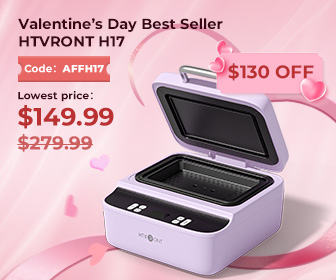
🔥 CURRENT VALENTINE’S DAY SALE (Code: AFFH17)
HTVRONT is running their biggest sale of the year on the H17. These prices are valid through Valentine’s Day:
Standard Kit A (iPhone Compatible): $149.99 $279.99
- H17 phone case heat press
- iPhone fixture set (works with iPhone 12-17 series)
- 5 sheets A4 sublimation film
- Heat-resistant gloves
- 3 sublimation badges (58mm)
- Tweezers
- Heat-resistant tape
- Save $130 with code AFFH17
Standard Kit B (Android Compatible): $149.99 $279.99
- Same as Kit A but with Android fixture
- Works with Samsung Galaxy, Google Pixel, Xiaomi, Huawei
- Save $130 with code AFFH17
Beginner Kit (iPhone + Android): $169.99 $239.99
- Everything in standard kit PLUS
- Both iPhone AND Android fixtures
- 20 sheets sublimation film (instead of 5)
- 12 mystery phone case blanks
- Save $70 with code AFFH17
- Best value if you plan to serve all customers
⚠️ Important pricing note: HTVRONT runs frequent promotions, and I rarely see these machines at full price. Regular pricing is $239-$279, but sales like this pop up around major holidays. If this sale has ended by the time you’re reading this, sign up for HTVRONT’s email list or check back for the next promotion. For the rest of this post, I’ll use the sale price ($149.99) in my calculations since that’s what’s currently available.
Ongoing Consumable Costs
Here’s what most people don’t factor in:
Sublimation Film (you NEED this – it’s not optional)
- HTVRONT: $16.99 for 5 sheets = $3.40 per sheet
- Bulk third-party (once available): ~$0.80 per sheet
- You use 1 sheet per phone case
- Budget for $0.80-$3.40 per case just for film
Blank Phone Cases I researched wholesale suppliers to get a sense of pricing:
- Basic 2D cases with aluminum insert: $2.00-$4.99 each
- Magnetic MagSafe compatible: $4.29-$4.99 each
- 3D tough cases: $7.69 each
Most competitive pricing seems to be in the $2.50-$3.50 range for standard glossy cases when buying in bulk.
Sublimation Ink & Paper (if you don’t already have it)
- Entry-level sublimation printer (Epson): $200-$400
- Sublimation ink set: $50-$80
- Sublimation paper: $27.49 for 110 sheets = ~$0.25 per sheet
- Ongoing ink/paper cost per case: ~$0.50
Total Startup Investment
If you already have a sublimation printer (CURRENT SALE PRICING):
- Machine with code AFFH17: $149.99
- Initial film (5 sheets): Included
- 10 blank cases to start testing: $25-$35
- Total: $175-$185
That’s incredibly affordable for getting started!
If you’re starting from scratch (CURRENT SALE PRICING):
- Machine with code AFFH17: $149.99
- Entry-level sublimation printer: $200-$400
- Ink & paper starter kit: $75-$100
- 10 blank cases: $25-$35
- Total: $450-$685
Still reasonable compared to many craft business startups.
At regular pricing (for comparison when sale ends):
- With existing printer: $265-$315
- Starting from scratch: $540-$815
Per-Unit Production Cost
Let’s do the math for each phone case you make:
- Blank case: $2.50 (average)
- Sublimation film: $0.80-$3.40
- Ink/paper: $0.50
- Total per case: $3.80-$6.40
(I’m using mid-range estimates. Your actual costs may vary based on where you source materials and how much you buy in bulk.)
Profit Margin Potential: What Can You Actually Charge?
I spent hours diving into Etsy to see what custom phone cases are actually selling for. Here’s what I found:
Etsy Price Ranges
Budget tier: $11.93-$17.99
- High-volume sellers
- Usually running constant sales
- Thin margins but consistent sales
Sweet spot: $19.20-$29.72
- This is where most successful sellers land
- Good balance of profit and volume
- Often includes “free shipping” (built into price)
Premium: $33-$52
- Custom photo cases
- Specialty materials
- Unique artistic designs
- Lower volume, higher profit
Ultra-premium: $155+
- Handmade leather
- Luxury materials
- Not realistic for sublimation cases
Realistic Profit Calculation
Let’s say you price at the sweet spot of $25 (competitive but profitable):
Revenue per case: $25.00 Cost per case: -$6.40 (using higher film cost) Shipping supplies: -$2.00 (mailer, packaging) Etsy fees (6.5%): -$1.63 Payment processing (3% + $0.25): -$1.00
Net profit per case: ~$13.97
Break-even analysis:
At current sale price ($149.99):
- Machine cost: $149.99
- Net profit per case: $14
- Cases needed to break even: 11 cases
- At 2 cases per week: 5-6 weeks to break even
- At 4 cases per week: 3 weeks to break even
At regular price ($279.99) for comparison:
- Machine cost: $279.99
- Net profit per case: $14
- Cases needed to break even: 20 cases
- At 2 cases per week: 10 weeks to break even
- At 4 cases per week: 5 weeks to break even
This is huge: The sale pricing cuts your break-even point almost in half. Instead of needing to sell 20 cases, you only need 11. That’s the difference between breaking even in your first month versus your third month.
The Volume Question
To make $1,000 profit:
- At $14 profit per case = 72 cases
- At 2 cases per day = 36 days
- Realistic? Depends entirely on your marketing and niche
Market Saturation Analysis: Can You Actually Compete?
Here’s where I need to be real with you. The custom phone case market on Etsy is brutally saturated.
What I Found:
Competition Level: VERY HIGH
- Thousands of sellers
- Shops with 1,000-14,000+ reviews
- Constant price wars and sales
- “Custom phone case” searches return endless results
What’s Working for Successful Sellers:
- Strong niche focus – not just “custom phone cases”
- Examples: Birth flower designs, specific fandoms, professional themes (teachers, nurses, etc.)
- Professional branding – cohesive shop aesthetic
- High-quality product photos – this is non-negotiable
- Fast turnaround – “ships in 1-3 days” is competitive advantage
- MagSafe compatibility – increasingly expected
- Established reviews – social proof is huge
Warning Signs:
- Generic “personalized phone case” is oversaturated
- Price compression – many sellers competing on price alone
- Customer expectations are high (Prime has spoiled everyone)
- Seasonal trends can kill sales (new iPhone releases change everything)
Potential Opportunities:
Even in a saturated market, there are gaps:
- Hyper-local designs – your city/state specific themes
- Underserved phone models – Android users complain about lack of options
- B2B opportunities – businesses wanting branded cases for employees
- Event-specific – weddings, conferences, team sports
- Subscription model – monthly case designs for superfans
The bottom line: You won’t succeed with generic “custom name on a case.” You need a hook.
Technical Limitations You Should Know
Before you buy, here are some practical constraints:
Phone Model Restrictions
- iPhone: Works with 12 and newer only
- If someone has an iPhone 11 or older – you can’t help them
- Fixtures are universal for same-series (one fixture handles 12/13/14/15/16/17)
- Android: Universal fixtures but…
- Compatibility varies by brand
- Not every Android model has blanks available
- Customers may not know if their phone is compatible
Production Speed
- 40-60 seconds press time per case
- Plus design time, quality check, packaging
- Realistic output: 10-15 cases per hour max
- This limits scalability
Film Dependency
- You MUST use special sublimation film (not regular sublimation paper)
- Can’t just grab paper from your stash
- Need to keep film in stock or lose sales
- Film cost significantly impacts margins
Learning Curve
- Color calibration is tricky
- Film positioning must be perfect
- Glossy vs matte cases give different results
- Expect some trial and error (waste) at first
Alternatives to Consider
Before committing to the HTVRONT machine, consider these options:
1. Print-on-Demand (POD) Services
Pros:
- Zero upfront cost
- No inventory needed
- No fulfillment hassle
- Test designs risk-free
Cons:
- Much lower profit margins ($3-8 per case vs. $14)
- Longer turnaround times
- Less control over quality
- Can’t do custom/personalized easily
Best POD options: Printful, Printify, Gooten
2. Standard Heat Press with Phone Case Attachments
Pros:
- More versatile (use for other projects too)
- Often cheaper upfront
- Widely available accessories
Cons:
- Results may not be as professional on curved cases
- More manual positioning required
- May need multiple attachments for different models
3. Outsource Production
Pros:
- Focus on design and marketing
- No equipment investment
- Scalable immediately
Cons:
- Lower margins
- Less quality control
- Dependent on third party
Pros & Cons Summary
PROS:
✅ Produces professional, high-quality phone cases ✅ Relatively fast break-even (17-20 cases) ✅ Compact machine, doesn’t take much space ✅ Also works for badges, coasters, other items ✅ Universal fixtures save money long-term ✅ On-demand production (no inventory needed) ✅ HTVRONT has good customer support
CONS:
❌ Very saturated market – hard to stand out ❌ Ongoing film costs are significant ❌ Limited to specific phone models ❌ Requires sublimation printer if you don’t have one ❌ Time-intensive if scaling up ❌ Customers expect fast turnaround ❌ iPhone releases can disrupt business (new models = new fixtures)
The Verdict: Should You Buy This?
✅ YES, buy this machine if:
- You already have sublimation equipment
- You have a specific niche or existing audience
- You’re comfortable with marketing and branding
- You plan to produce 50+ cases per month
- You can differentiate beyond “custom name on case”
- You want on-demand production vs. POD wait times
- You’re willing to invest time in product photography and marketing
❌ SKIP this machine if:
- You’re testing the market (try POD first)
- You don’t have sublimation equipment yet
- Your budget is tight
- You have no clear marketing strategy
- You expect passive income
- You’re not comfortable in highly competitive markets
🤔 MAYBE – start with this instead:
- Test designs through POD services first
- Build audience on social media
- Validate your niche
- THEN invest in equipment once you have proven demand
My Personal Take
If I were making this decision for myself, I’d start with POD to validate my designs and niche. Once I had consistent monthly sales (let’s say 50+ cases), THEN I’d invest in the HTVRONT machine to increase my margins.
The machine itself is solid – HTVRONT makes quality equipment, and the technology works well. But the machine is only as good as your ability to market and sell. In a saturated market like phone cases, your success depends more on your brand and niche than on the equipment itself.
Bottom line: The HTVRONT H17 is a good machine that can be profitable – but only if you’ve got the business side figured out first.
Additional Resources
🔗 HTVRONT H17 Product Page (affiliate link)
💬 What product should I research next? Drop a comment below!

 Craft PoP CulT
Leave a comment